

What Vacuum Cleaner Should I Buy?
Tired of feeling lost in a sea of confusing options every time you think about cleaning your floors? Choosing the right vacuum cleaner can feel like a daunting task, but it doesn’t have to be. If you’re constantly asking yourself, “What vacuum cleaner should I buy?”, you’re not alone. This guide will cut through the clutter, helping you understand the essential factors, types, and features so you can confidently select the perfect cleaning companion for your unique home and lifestyle. Let’s make your next vacuum purchase a smart one!
What Vacuum Cleaner Should I Buy? Your Ultimate Guide to a Cleaner Home
In the vast universe of home appliances, the humble vacuum cleaner stands as a champion against dust, dirt, and debris. Yet, with countless models, features, and price points, figuring out what vacuum cleaner should I buy can quickly turn from a simple task into an overwhelming quest. Don’t worry! This comprehensive guide is designed to empower you with the knowledge needed to make an informed decision, ensuring you pick a vacuum that perfectly suits your cleaning needs without ever listing a single product.
Step-by-Step Guide to Choosing Your Perfect Vacuum
To make the best choice, it’s essential to systematically evaluate your environment and priorities.
Step 1: Assess Your Home and Lifestyle
Before you even think about vacuum types, look around your home.
- What are your primary floor types? Do you have mostly hardwood, tile, or laminate? Or is it predominantly carpets and rugs (and what pile height are they)? Many homes have a mix, so consider what you’ll be cleaning most.
- Do you have pets? Pet hair is a game-changer. Look for features specifically designed to tackle fur.
- Are allergies a concern? If so, superior filtration is paramount.
- How large is your home? A small apartment might need something different from a multi-story house.
- How often do you clean? Daily quick clean-ups versus weekly deep cleans might influence your choice.
- Do you need to clean stairs, upholstery, or inside your car? This will dictate necessary attachments and maneuverability.
Step 2: Understand the Main Vacuum Cleaner Types
Each type offers different benefits and is suited for specific tasks. Remember, we’re describing categories, not specific brands or models!
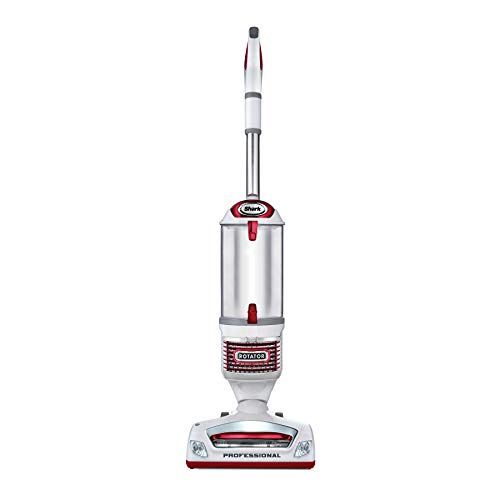
- Upright Vacuums: Often powerful and great for deep cleaning carpets. They typically have a wide cleaning path. Some newer models also adapt well to hard floors.
- Canister Vacuums: Excellent for hard floors, stairs, and delicate surfaces due to their separate powerhead and hose. They’re generally more maneuverable and quieter than uprights.
- Stick Vacuums: Lightweight, slender, and often cordless, these are perfect for quick clean-ups and small spaces. They’re not usually designed for deep carpet cleaning but are fantastic for daily maintenance.
- Robot Vacuums: The ultimate convenience for hands-free, automated cleaning. Ideal for maintaining cleanliness between deeper cleans, especially on consistent floor types.
- Handheld Vacuums: Compact and cordless, perfect for spot cleaning, crumbs, cars, and upholstery. A great secondary vacuum.
Step 3: Consider Key Features and Specifications
Once you know your home and understand the types, delve into the details.
- Bagged vs. Bagless:
- Bagged: Generally better for allergy sufferers as dust is contained in a disposable bag. Requires purchasing bags.
- Bagless: Environmentally friendly (no bags to buy), but emptying the bin can expose you to dust.
- Filtration System: For allergy sufferers, a HEPA filter is a must. These capture tiny particles, preventing them from being released back into the air.
- Attachments and Accessories: Consider what’s included. A crevice tool for tight spots, a dusting brush, or a pet hair tool can be invaluable.
- Corded vs. Cordless:
- Corded: Offers unlimited runtime and consistent power.
- Cordless: Provides freedom of movement, but battery life and charging time are important factors.
- Weight and Maneuverability: If you have multiple levels or mobility concerns, a lighter vacuum or one with good swivel steering will make a big difference.
- Brush Roll On/Off: Essential for mixed floor types; you want to turn off the brush roll on hard floors to prevent scratching.
- Suction Power: While not the only indicator of performance, strong suction is crucial, especially for pet hair and deep carpet cleaning.
Step 4: Set Your Budget
Vacuum cleaners range widely in price. Determine what you’re willing to spend and remember that the most expensive isn’t always the best for your needs. A mid-range option often provides an excellent balance of features and performance.
Tips for Making the Right Choice
- Prioritize Your Needs: Don’t get swayed by features you won’t use. Focus on what’s most important for your home.
- Think Long-Term: Consider the durability and the availability of replacement parts or filters.
- Read User Reviews (Generally): While we aren’t reviewing products, looking at general user feedback on types of vacuums or common features can be insightful. Do people generally like a specific kind of pet tool?
- Check Warranty and Support: A good warranty provides peace of mind.
Common Mistakes to Avoid
- Buying Based Solely on Price: A cheap vacuum might save money upfront but could cost more in frustration and lack of performance.
- Ignoring Floor Types: Using the wrong type of vacuum or settings on your floor can lead to damage or ineffective cleaning. Always adjust settings for different surfaces.
- Overlooking Maintenance Requirements: Some vacuums require more filter cleaning or bag changes than others. Be prepared for the upkeep.
- Not Considering Storage: Some vacuums are bulky. Make sure you have a convenient place to store your chosen model.
- Getting Caught Up in Hype: Focus on practical utility for your home, not just popular trends.
Conclusion
The question, “What vacuum cleaner should I buy?” has no single answer because every home is different. By thoughtfully assessing your specific cleaning challenges, understanding the various vacuum types, and prioritizing essential features, you’re now equipped to confidently choose the perfect cleaning partner. A well-chosen vacuum cleaner isn’t just an appliance; it’s an investment in a cleaner, healthier, and more enjoyable living space. Happy cleaning!
Frequently Asked Questions (FAQ)
Q. What are the main types of vacuum cleaners and which one is right for me?
A. The main types are upright (good for carpets, powerful), canister (versatile for hard floors, stairs, and detailed cleaning), stick (lightweight, cordless options, great for quick clean-ups and smaller spaces), robot (autonomous cleaning, good for daily maintenance), and handheld (portable for small messes and car interiors). Your choice depends on your floor types, home size, and specific cleaning needs.
Q. I have mostly hardwood floors, but also some area rugs. What kind of vacuum should I get?
A. For homes with both hard floors and area rugs, look for a vacuum with an adjustable brush roll or a dedicated hard floor setting. Canister vacuums are often excellent for this, as are many stick vacuums with interchangeable heads or a soft roller. Uprights with a brush roll shut-off feature or height adjustment are also good options.
Q. We have pets that shed a lot. What features should I look for in a vacuum?
A. If you have pets, prioritize strong suction power, a tangle-free or self-cleaning brush roll, and specialized pet attachments like a mini-motorized tool for upholstery. Good filtration, such as a HEPA filter, is also important to capture pet dander and allergens.
Q. Is a HEPA filter really necessary, especially if I have allergies or asthma?
A. Yes, a HEPA (High-Efficiency Particulate Air) filter is highly recommended if you suffer from allergies or asthma. These filters capture 99.97% of airborne particles as small as 0.3 microns, including dust mites, pet dander, pollen, and mold spores, preventing them from being released back into the air.
Q. Should I choose a bagged or bagless vacuum cleaner? What are the pros and cons?
A. Bagged vacuums offer more hygienic disposal as dust is contained, making them good for allergy sufferers, but require ongoing bag purchases. Bagless vacuums are more convenient as there are no bags to buy, but emptying the dustbin can release dust back into the air, and filters need regular cleaning.
Q. What’s the difference between a corded and a cordless vacuum, and which is better?
A. Corded vacuums offer consistent, powerful suction for as long as you need, without worrying about battery life, but limit your range by the nearest outlet. Cordless vacuums provide unparalleled freedom and maneuverability, perfect for quick clean-ups or homes without many outlets, but have limited run times and may have less consistent suction as the battery drains. “Better” depends on your priority: power/endurance vs. convenience/flexibility.
Q. How much should I expect to spend on a good vacuum cleaner?
A. Vacuum cleaner prices vary widely. You can find basic models for under $100, which might suffice for light cleaning in small spaces. Mid-range vacuums ($100-$300) offer a good balance of features, power, and durability. Premium models ($300+) provide advanced technology, superior filtration, specialized attachments, and robust build quality for heavy-duty cleaning and specific needs.
Q. What specific features make a vacuum easier to use and maintain?
A. Look for features like lightweight design, swivel steering for maneuverability, an easy-to-empty dustbin (for bagless), washable filters to reduce replacement costs, and a brush roll that is easy to access and clean of hair tangles. Auto-height adjustment and accessible controls on the handle also enhance user experience.
Q. I live in a small apartment with limited storage space. What’s the best vacuum option for me?
A. For small apartments and limited storage, a stick vacuum is often the best choice due to its slim profile and often wall-mountable charging docks. Compact canister vacuums are another good option as they can be stored in smaller cupboards, and robotic vacuums eliminate the need for manual storage completely.

Leave a Reply