

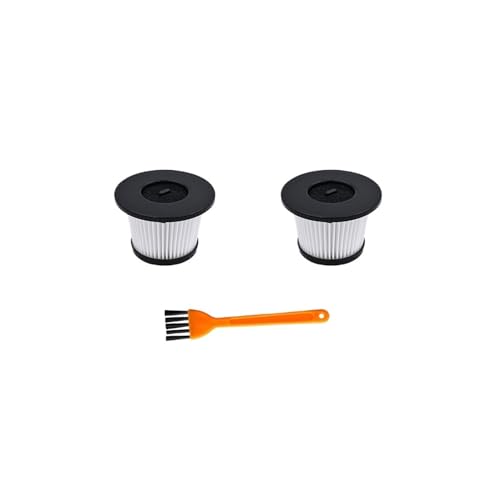
Is your vacuum losing its powerful suction, or does it leave a faint, dusty odor in its wake? A clogged filter is often the silent culprit, diminishing performance and releasing allergens back into your home. This leads many to wonder: Can Vacuum Cleaner Filters Be Washed? It’s a crucial question for anyone aiming to maintain their vacuum’s efficiency and ensure truly clean air. Understanding the correct care for your filter can dramatically extend its life and improve your cleaning results, saving you money and hassle in the long run.
Can Vacuum Cleaner Filters Be Washed? A Comprehensive Guide to Filter Care
Maintaining your vacuum cleaner’s filter is paramount for optimal performance, efficient cleaning, and a healthier home environment. A clean filter ensures strong suction and prevents dust and allergens from being recirculated. But the big question remains: Can Vacuum Cleaner Filters Be Washed? The answer isn’t a simple yes or no; it depends entirely on the type of filter your vacuum uses.
The Golden Rule: Always Check Your Manual First!
Before you do anything, always consult your vacuum cleaner’s user manual. This is the most reliable source of information for your specific model. The manual will clearly state whether your filter is washable, how to clean it, and how often it should be done. Ignoring this crucial step can lead to filter damage and reduced vacuum performance.
How to Identify if Your Filter is Washable
If your manual isn’t handy, here are some general guidelines:
- Look for Labels: Many filters are explicitly labeled “washable,” “rinse,” or “do not wash.”
- Material Type:
- Foam filters: These are often, but not always, washable. They usually feel spongy.
- Pleated paper or cardboard filters: These are generally not washable. Water can destroy their structure, making them ineffective or causing them to disintegrate.
- HEPA filters: Some HEPA filters are washable, while others are not. Again, your manual is the definitive guide. A washable HEPA filter will typically be specifically marked as such.
- Vacuum Type: Some bagless vacuums often feature washable filters, but this isn’t a universal rule.
Step-by-Step Guide for Washing Washable Vacuum Filters
If your manual confirms your filter is washable, follow these steps carefully:
1. Preparation and Removal
- Unplug Your Vacuum: Safety first! Always ensure your vacuum cleaner is unplugged before removing any parts.
- Remove the Filter: Locate the filter compartment (often near the dustbin or motor) and carefully remove the filter according to your vacuum’s instructions.
2. Tap Out Loose Debris
- Take it Outside: Before wetting the filter, take it outdoors and gently tap it against a hard surface (like a trash can) to dislodge as much loose dust and debris as possible. This prevents clogging your sink and makes the washing process easier.
3. Rinse Thoroughly
- Use Cool, Running Water: Hold the filter under cool, running water until the water runs clear.
- For Foam Filters: Gently squeeze the foam filter under the running water to help dislodge trapped dirt. Continue squeezing and rinsing until no more dirt comes out.
- For Pleated Washable Filters: Allow the water to run over the pleats. You can gently agitate them with your fingers if needed, but avoid harsh scrubbing or brushes that could damage the material.
- Avoid Soap (Unless Specified): Most washable filters do not require soap. If your manual explicitly states that a mild detergent can be used, use a tiny amount and rinse even more thoroughly. Never use harsh chemicals or abrasive cleaners.
4. The Crucial Drying Process
- Shake Off Excess Water: Gently shake the filter to remove as much excess water as possible.
- Air Dry Completely: This is arguably the most critical step. The filter MUST be 100% completely dry before reinserting it into your vacuum.
- Allow at least 24-48 hours for drying. In humid climates, it might take even longer.
- Place the filter in a well-ventilated area, away from direct sunlight or heat sources. A window sill or near a fan is ideal.
- Do NOT use a hairdryer, oven, or microwave to speed up drying. High heat can warp or damage the filter material.
- Check for Dryness: Before reinstalling, feel the filter thoroughly. If it feels even slightly damp, let it dry longer. Reinstalling a damp filter can lead to mold growth, foul odors, and potential damage to your vacuum’s motor.
5. Reinstall the Dry Filter
- Once completely dry, carefully reinstall the filter into your vacuum cleaner, ensuring it’s seated correctly and the compartment is sealed.
What About Non-Washable Filters?
If your filter is explicitly marked “do not wash” or if it’s a paper-pleated type, do not attempt to wash it. Water will ruin its filtration capabilities.
For these filters:
- Tap and Brush: Take them outside and gently tap them against a hard surface to dislodge dust. You can also use a soft brush (like an old toothbrush) or a soft-bristled paint brush to carefully brush away surface dust from the pleats.
- Replace Regularly: Non-washable filters need to be replaced periodically. Check your manual for the recommended replacement schedule (typically every 3-6 months, depending on usage). Regular replacement is crucial for maintaining suction and air quality.
Tips for Extending Filter Life and Maximizing Performance
- Clean Regularly: Whether washable or not, regular filter cleaning (or tapping) is essential. For washable filters, aim to clean them every 1-3 months, or more frequently if you have pets or allergies.
- Inspect for Damage: Whenever you remove your filter, inspect it for tears, holes, or permanent discoloration. A damaged filter won’t work effectively and needs to be replaced.
- Have a Spare: If you have a washable filter, having a spare allows you to continue vacuuming while one is drying, avoiding any downtime.
- Don’t Overfill the Dustbin: An overfilled dustbin can put extra strain on the filter and cause it to clog faster. Empty it regularly.
Common Mistakes to Avoid
- Washing a Non-Washable Filter: This is the most common and damaging mistake. Always verify your filter type.
- Not Drying the Filter Completely: As mentioned, this leads to mold, mildew, and can severely damage your vacuum’s motor.
- Using Hot Water or Harsh Chemicals: These can destroy the filter’s delicate materials and render it useless.
- Scrubbing Too Hard: Especially with pleated filters, aggressive scrubbing can tear or warp the material.
- Forgetting to Reinstall the Filter: Running your vacuum without a filter can cause serious damage to the motor and release all collected dust back into your home.
Conclusion
Understanding whether Can Vacuum Cleaner Filters Be Washed is the first step towards proper vacuum maintenance. By identifying your filter type and following the correct cleaning procedures – especially the critical step of ensuring complete dryness – you can significantly improve your vacuum’s suction, extend its lifespan, and ensure you’re breathing cleaner air in your home. Always remember: your vacuum’s manual is your best friend when it comes to filter care!
Frequently Asked Questions(FAQ)
Q. Can I wash my vacuum cleaner filter?
A. It depends entirely on the type of filter and the manufacturer’s specific instructions. Some filters are designed to be washable and can be rinsed with water, while others are not and will be damaged by moisture. Always check your vacuum cleaner’s user manual first.
Q. How do I know if my vacuum cleaner filter is washable?
A. The most reliable way is to consult your vacuum cleaner’s user manual. Many washable filters will also have a clear label or symbol (like a faucet icon) indicating they can be rinsed. They are typically made of foam or a durable synthetic pleated material, unlike paper or cardboard filters.
Q. Which types of vacuum cleaner filters are usually washable?
A. Generally, foam filters and some pleated synthetic filters (often called HEPA-style or rinseable HEPA filters) are designed for washing. These are commonly found as pre-motor filters, intended to capture larger dust particles before they reach the motor.
Q. Which types of filters should never be washed?
A. Paper filters, non-washable HEPA filters (especially those with a paper-like media), and activated carbon or charcoal filters should never be washed. Water can destroy their delicate structure, significantly reduce their filtration efficiency, or prevent them from drying properly, leading to mold or odors.
Q. What is the correct way to wash a washable vacuum cleaner filter?
A. First, remove the filter and gently tap it over a trash can to remove loose debris. Then, rinse the filter under cool, running water until the water runs clear. Do not use soap or detergents unless specifically advised by the manufacturer. For foam filters, gently squeeze them under the water to clean them. Avoid twisting or scrubbing forcefully.
Q. How important is it to dry the filter completely before re-inserting it?
A. It is critically important to ensure the filter is 100% dry before putting it back into your vacuum cleaner. Re-inserting a damp or wet filter can lead to mold and mildew growth, which causes foul odors and can release spores into your home. It can also cause damage to the vacuum cleaner’s motor. Allow the filter to air dry completely for at least 24 hours, or as recommended by the manufacturer.
Q. How often should I wash my washable vacuum cleaner filter?
A. The frequency depends on your vacuum’s usage and the amount of dirt and debris it collects. As a general guideline, many manufacturers recommend washing washable filters every 1 to 3 months for average household use. If you have pets, allergies, or vacuum frequently, you might need to wash it more often.
Q. What happens if I wash a non-washable filter?
A. Washing a non-washable filter will almost certainly ruin it. Paper filters will disintegrate, and the fine filtration media in many non-washable HEPA filters will be damaged, compromising their ability to trap fine particles. This can reduce your vacuum’s suction, allow allergens to escape, and potentially harm the motor.
Q. Can I use a washing machine or dishwasher to clean my vacuum filter?
A. No, absolutely not. Vacuum cleaner filters should only be hand-washed under running water according to the manufacturer’s instructions. Washing machines or dishwashers use harsh detergents, high temperatures, and aggressive cycles that can severely damage or destroy the filter’s structure and filtration capabilities, making it ineffective.
Q. When should I replace a washable filter instead of just washing it?
A. Even washable filters have a finite lifespan. You should replace a washable filter when it shows visible signs of wear and tear, such as tears, holes, fraying, or if it remains discolored or emits an odor even after washing and drying. If you notice a persistent reduction in suction or if the filter simply looks worn out, it’s time for a replacement, typically every 6 to 12 months, depending on usage.
Related Articles
Who Created the Vacuum Cleaner
Ever wondered about the unsung hero battling dust bunnies in your home? The story of the vacuum cleaner is far more intricate than a single eureka mom…

Leave a Reply